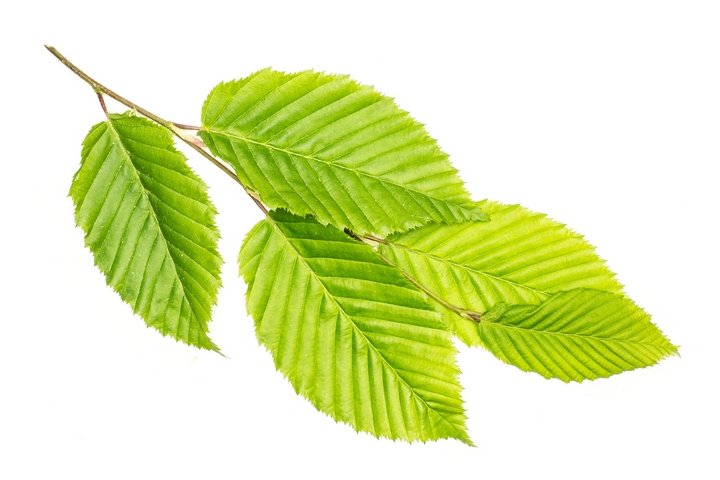
Slippery elm (Ulmus rubra), also referred to as Indian elm, soft elm, or red elm, is a native tree of central and eastern North America. It earns its name from the characteristically slick texture of its inner bark when moistened. Identifiable by its dark, reddish-brown exterior, the tree can grow as tall as 80 feet.

For centuries, Indigenous peoples of North America have utilized the tree’s inner bark to address various ailments. This is the only part of the tree with medicinal value, historically used to treat fevers, wounds, and sore throats.When combined with water, the bark forms a gelatinous substance called mucilage, which provides a soothing, protective coating to the tissues it contacts. European settlers later adopted this remedy into their own practices, significantly boosting its popularity. Today, manufacturers commonly offer this traditional herb in forms such as teas, nutritional supplements, and throat lozenges.

Slippery Elm Benefits

Research recognizes slippery elm for its therapeutic potential in several key health areas, though further scientific investigation would help solidify its efficacy. The herb demonstrates its primary benefits in the following domains:

1. Digestive Support

Functioning as a potent demulcent, slippery elm possesses remarkable soothing properties for the gastrointestinal tract. It forms a protective film along the mucous membranes of the stomach and intestines, which can help alleviate irritation and inflammation. This coating action not only comforts the digestive lining but also assists in normalizing bowel function, making it valuable for addressing both occasional constipation and mild diarrhea.

2. Respiratory and Throat Comfort

The herb contains significant amounts of mucilage, a complex carbohydrate that remains undigested as it passes through the system. When consumed, this gelatinous substance effectively coats the throat and bronchial passages, providing relief from irritation and dryness. This demulcent quality explains why slippery elm remains a frequent ingredient in herbal throat lozenges and cough syrups.

3. Urinary Tract Function

Slippery elm appears to offer supportive benefits for urinary health through multiple mechanisms. Many believe it soothes the delicate lining of the urinary tract, potentially reducing discomfort.

Additionally, it acts as a mild diuretic and cleansing agent, promoting healthy urine production and flow. This process assists the body in flushing out waste products and maintaining proper urinary function.

4. Acid Reflux Management

For those experiencing occasional mild heartburn, slippery elm’s mucilaginous properties provide a calming effect on the esophagus. By coating the esophageal lining, it creates a protective barrier against stomach acid, potentially reducing the irritation and discomfort associated with acid reflux, though serious or chronic cases should be evaluated by a healthcare professional.

Takeaways

Slippery elm is a tree native to much Slippery elm is a tree native to much of central and eastern North America. Its inner bark has been used for years as a herbal remedy for conditions such as stomach upset, sore throats, and skin problems. You can find it in several forms, including supplements, powders, and teas. It’s recognized as generally safe, but there’s not much evidence to back up most of the health claims. If you want to use slippery elm, talk to your doctor first and follow product directions.

Leave a Reply

Your email address will not be published. Required fields are marked *