For modern individuals seeking quality of life, that morning cup of coffee, the brief afternoon recharge, and the relaxing moments before sleep are far more than just physical needs—they’ve become essential rituals of daily life. As you consider adding one or two supplements to these ingrained habits, have you ever wondered whether the combination creates a “power couple” or a “clashing conflict”?

Scientific timing isn’t just about maximizing a supplement’s effectiveness; it’s also about avoiding conflicts with the foods and drinks in your diet. Here’s a practical guide built around three key daily scenarios: Morning Coffee, Afternoon Reset, and Evening Wind-Down.

Morning Coffee Boost: Beware of Interactions & Time It Right

That morning cup of coffee is how many of us jumpstart the day, but it’s rich in caffeine and polyphenols—substances famously known as “nutrient inhibitors.” If you’re in the habit of swallowing all your supplements at once with your morning coffee, you might be significantly undermining their benefits.

Supplements Best Avoided with Coffee:

  • Iron: Polyphenols and tannins in coffee bind with iron, drastically reducing its absorption. Studies show that drinking coffee with a meal can reduce iron absorption by 54% to 66%.
  • Calcium & Vitamin D: Caffeine has a mild diuretic effect, which can increase calcium excretion. Furthermore, some research suggests caffeine may reduce the activity of Vitamin D receptors, indirectly hindering calcium absorption.
  • B-Vitamins: As water-soluble vitamins, B-vitamins are naturally prone to excretion through bodily fluids. Coffee’s diuretic effect may accelerate this process, flushing them out before your body has had a chance to fully absorb them.

✅ The Golden Strategy for Mornings:

  • The “Coffee First, Wait, Then Supplement” Rule: If you can’t part with your morning brew, the best approach is to enjoy your coffee first, then wait 30-60 minutes before taking the supplements mentioned above. Alternatively, schedule iron, calcium, and other sensitive supplements for lunch or dinner.
  • What You Can Take: If you need to take Vitamin C (water-soluble and well-absorbed on an empty stomach) in the morning, take it with plain water, ensuring there’s a gap before or after your coffee.

Afternoon Reset: Fighting Fatigue & Boosting Focus

Between 2-3 PM, many people hit the infamous “afternoon slump.” This isn’t the time to overload on caffeine, which could disrupt your night’s sleep. Instead, it’s the perfect moment to use specific supplements and micro-habits to “reset” your state.

Supplements Suited for the Afternoon:

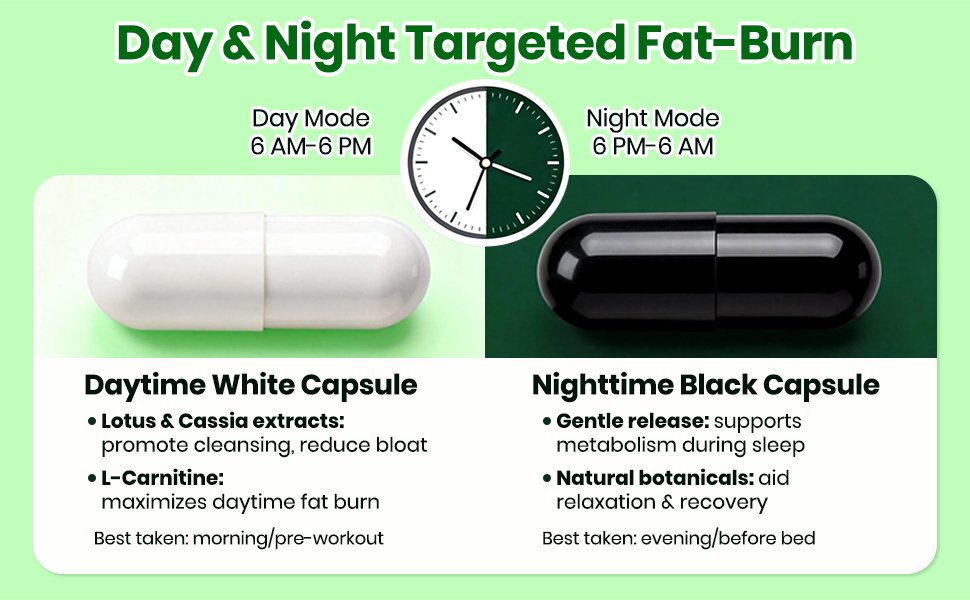
  • L-Carnitine (Use with Caution): For fitness enthusiasts, L-carnitine is often paired with black coffee to potentially boost metabolism. However, both can have stimulating effects. Taking them together may lead to palpitations or insomnia for sensitive individuals. If you’re caffeine-sensitive, start with a low dose of L-carnitine.
  • Complex Energy Formulas: Many products designed for daytime use contain a blend of B-vitamins, amino acids (like Tyrosine), and electrolytes. The goal is to rehydrate while providing a stable boost in cognitive focus, helping you avoid the dreaded “caffeine crash.

✅ The Golden Strategy for Afternoons:

  • Hydrate First: Fatigue is sometimes just a sign of dehydration. Before reaching for that second cup of coffee, drink a full glass of water.
  • The Physical Reset: Pair your supplement with a 10-minute power nap or some light stretching (a micro-break). This combination can significantly boost afternoon alertness more than caffeine alone.

Evening Wind-Down: Relaxing the Body & Optimizing Repair

Evenings are all about “relaxation,” not “stimulation.” Supplements taken now should support a calm nervous system and the body’s overnight repair processes.

Supplements Ideal for Bedtime:

  • Magnesium: Specifically Magnesium Glycinate or Magnesium Threonate. Magnesium helps relax muscle tension and supports neurotransmitter function, priming the body for sleep. While it doesn’t directly cause drowsiness, it can alleviate the physical tension that often leads to insomnia.
  • Melatonin / Herbal Blends: If your circadian rhythm is off, a low dose of melatonin taken 30-60 minutes before bed can be helpful. For a gentler option, consider L-Theanine, GABA, or herbal extracts like Valerian Root, Passionflower, or Chamomile. These work by increasing GABA activity in the brain, helping to calm an anxious mind.

✅ The Golden Strategy for Evenings:

  • The “Shutdown” Ritual: Time your supplement intake to coincide with putting away electronic devices. This creates a powerful association.
  • Warm Fluids: Wash down your magnesium or L-Theanine with a small glass of warm water. Some powdered supplements can even be mixed into a warm, soothing “nighttime drink.” Pair this with reading or light music—using taste and temperature to send your body a clear signal that it’s time to rest.

Summary: Core Principles for Syncing Supplements with Habits

  1. Fat-Soluble with Meals, Water-Soluble on Empty: Vitamins A, D, E, and K (fat-soluble) need to be taken with a meal containing healthy fats for optimal absorption. Vitamin C and B-vitamins (water-soluble) are well-absorbed on an empty or full stomach, but need to be timed away from coffee.
  2. Space Out the Coffee: To protect the absorption of iron, calcium, vitamin D, and B-vitamins, aim for a gap of at least one hour between drinking coffee and taking these supplements.
  3. Listen to Your Body & Be Consistent: While timing is beneficial for certain supplements, consistency is ultimately more important than achieving a “perfect” schedule. Find a rhythm that fits seamlessly into your life and stick with it.

By scientifically embedding supplements into your daily rituals, you can enjoy the rich aroma of your morning coffee and the tranquility of your bedtime routine, all while ensuring that every nutrient is working effectively to truly empower your health.

Leave a Reply

Your email address will not be published. Required fields are marked *