Today, I’d like to discuss an essential yet often overlooked nutrient closely tied to gut health—Prebiotics. You’ve probably heard of “probiotics,” but what exactly are “prebiotics”? How do they impact our well-being? And in which everyday foods can we find them? Let’s unravel the mystery of prebiotics together.

What Are Prebiotics?

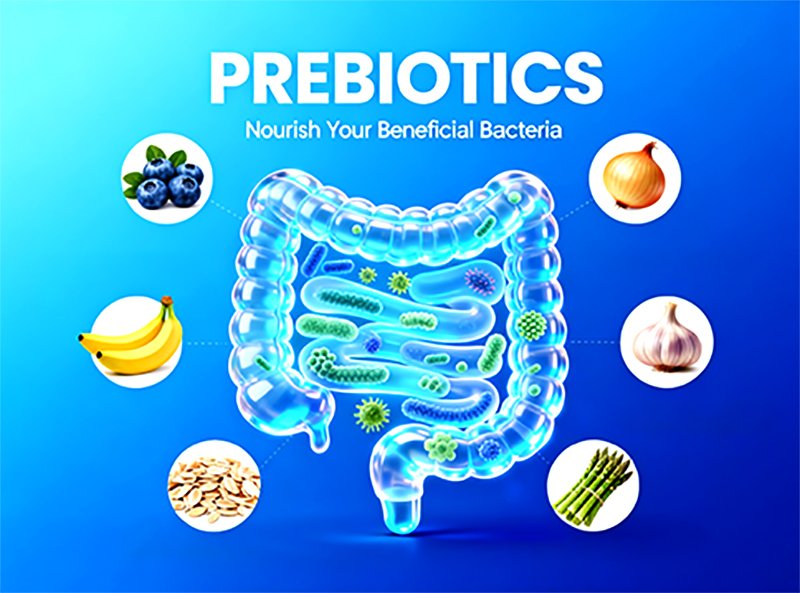
Simply put, prebiotics are a special type of dietary fiber. They cannot be directly digested or absorbed by the human body, but they selectively stimulate and promote the growth and activity of beneficial bacteria (such as bifidobacteria and lactobacilli) in the gut, thereby conferring health benefits to the host.

Think of your gut as a garden. Probiotics are the “good plants” we want to cultivate, and prebiotics are the “high-quality fertilizer” that nourishes these plants. Without fertilizer, the good plants cannot thrive.

What Are the Remarkable Benefits of Prebiotics?

  • Nourish Beneficial Gut Flora: This is the core function of prebiotics. They serve as “food” for probiotics, helping beneficial bacteria colonize and flourish in the intestines, thereby maintaining a healthy balance of the gut microbiome.
  • Improve Digestion and Relieve Constipation: After being fermented in the gut, prebiotics can increase stool bulk and water content, softening stools and effectively promoting intestinal motility. This is a natural and gentle way to alleviate constipation.
  • Enhance Immune Function: Approximately 70% of the body’s immune cells reside in the gut. A healthy gut microbiome is the cornerstone of a robust immune system. By feeding beneficial bacteria, prebiotics indirectly support our immune defenses.
  • Promote Nutrient Absorption: A healthy gut environment aids in improving the absorption efficiency of minerals like calcium and magnesium, as well as certain vitamins.
  • Aid in Metabolic Regulation: Some research suggests that prebiotics may help regulate blood sugar and lipid levels, offering potential positive effects on weight management and metabolic health.

Which Foods Are Rich in Prebiotics?

The good news is that prebiotics are widely found in many natural and delicious foods. Incorporating them into your daily diet is quite straightforward:

Vegetables:

  • Chicory Root: One of the richest natural sources of prebiotics, especially inulin.
  • Onions, Garlic, Leeks, Shallots: Rich in fructooligosaccharides (FOS). Don’t skip them when cooking!
  • Asparagus, Jerusalem Artichokes, Burdock Root: These are both delicious vegetables and excellent sources of prebiotics.

Fruits:

  • Bananas (especially slightly green ones): Contain resistant starch and FOS.
  • Apples, Berries (e.g., Blueberries): The dietary fiber in their skins serves as good prebiotics.

Legumes & Grains:

  • Legumes: Chickpeas, lentils, black beans, soybeans, etc.
  • Whole Grains: Oats, barley, wheat bran.
  • Root Vegetables/Tubers: Potatoes (especially cooled potatoes develop resistant starch), sweet potatoes.

Others:

  • Nuts and Seeds: Almonds, chia seeds, flaxseeds.

Pro Tip: In your daily diet, try using garlic and onions as a cooking base, substituting some refined grains with oats or legumes, and adding bananas or berries to your breakfast or snacks. Remember to gradually increase your intake of prebiotic-rich foods and drink plenty of water to allow your gut time to adapt and minimize potential initial gas or discomfort.

Final Thoughts

Maintaining gut health is a “marathon,” not a “sprint.” Beyond supplementing with probiotic products when appropriate, consistently consuming prebiotics through your daily diet is the most economical and natural way to nourish and sustain a healthy gut microbiome in the long term.

Starting today, take a closer look at your plate and add some high-quality “fertilizer” for your “gut garden”! Your body, especially your gut, will thank you for the attentive care.

Disclaimer: This information is provided for educational and informational purposes only. It is not intended as, and should not be construed as, professional medical advice, diagnosis, or treatment. Always seek the guidance of your qualified physician, healthcare provider, or registered dietitian with any questions you may have regarding a medical condition or before making any changes to your diet or health regimen.

Leave a Reply

Your email address will not be published. Required fields are marked *