Boosting Your Immunity: The Best Vitamins and What They Do
You want a strong immune system, so you need the right habits and nutrients. Your body fights off germs every day, but it needs support. So how can you boost your immunity? And which vitamins actually help? Let’s break it down.
How to Boost Your Immune System
First, eat a balanced diet. Whole foods give your body the tools it needs. Second, sleep well. Your immune system repairs itself during rest, so aim for 7–9 hours each night. Third, manage your stress. Chronic stress weakens your defenses, but simple actions like deep breathing or a short walk can help.
Also, exercise regularly. Moderate activity improves blood flow, and this helps immune cells move freely. However, don’t overdo it. Intense training without recovery can lower your immunity.
Finally, stay hydrated. Water helps your body remove toxins, and it keeps your mucous membranes moist. These membranes act as a first line of defense.
Now you know the basics. But specific vitamins and minerals play a major role too. Let’s look at the best ones.
The Best Vitamins for Your Immune System
Vitamin A
Vitamin A keeps your skin and gut lining healthy. These linings block germs from entering your body. You can find vitamin A in carrots, sweet potatoes, and spinach. Eat these foods regularly, and you support your first barrier.
Vitamin B6
Vitamin B6 helps produce white blood cells. These cells attack invaders. B6 also supports chemical messengers that regulate immunity. Get it from chickpeas, poultry, bananas, and potatoes. So add a banana to your breakfast, and you are on the right track.
Vitamin C
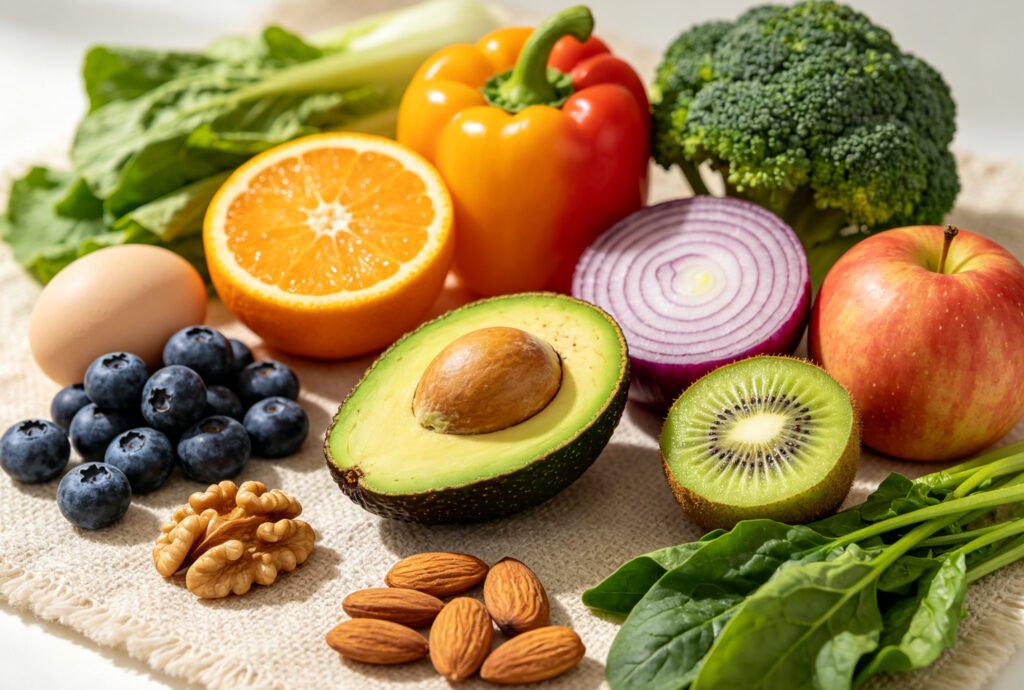
Vitamin C is a famous immune booster. It encourages the production of white blood cells, and it protects them from damage. Oranges, kiwis, bell peppers, and strawberries are rich in vitamin C. Take them daily, but remember that your body does not store vitamin C. So you need a steady supply.

Vitamin D
Vitamin D acts like a hormone. It activates your immune cells, so a deficiency can make you more prone to infections. Sunlight is the best source, but you can also eat fatty fish or fortified milk. In winter, a supplement may help. Ask your doctor first.
Vitamin E
Vitamin E is a powerful antioxidant. It protects cell membranes from damage, and this keeps your immune cells strong. Nuts, seeds, and spinach provide vitamin E. For example, a handful of almonds gives you a good dose.
Magnesium
Magnesium helps regulate inflammation. It also supports many enzyme reactions in your immune cells. Dark leafy greens, nuts, seeds, and whole grains contain magnesium. Eat a varied diet, and you will likely get enough.
Zinc
Zinc is essential for immune cell development. It also helps wounds heal. A zinc shortage slows down your immune response. Find zinc in meat, shellfish, beans, and pumpkin seeds. So enjoy some oysters or a bean salad, and your immunity stays sharp.
A Final Word
Combine good habits with these nutrients. Eat colorful meals, sleep well, and move your body. But don’t rely on supplements alone. Food comes first. And if you think you lack any vitamin, talk to a professional.
Your immune system works hard for you. So give it what it needs. Stay healthy, stay strong, and remember: small daily choices make a big difference.